

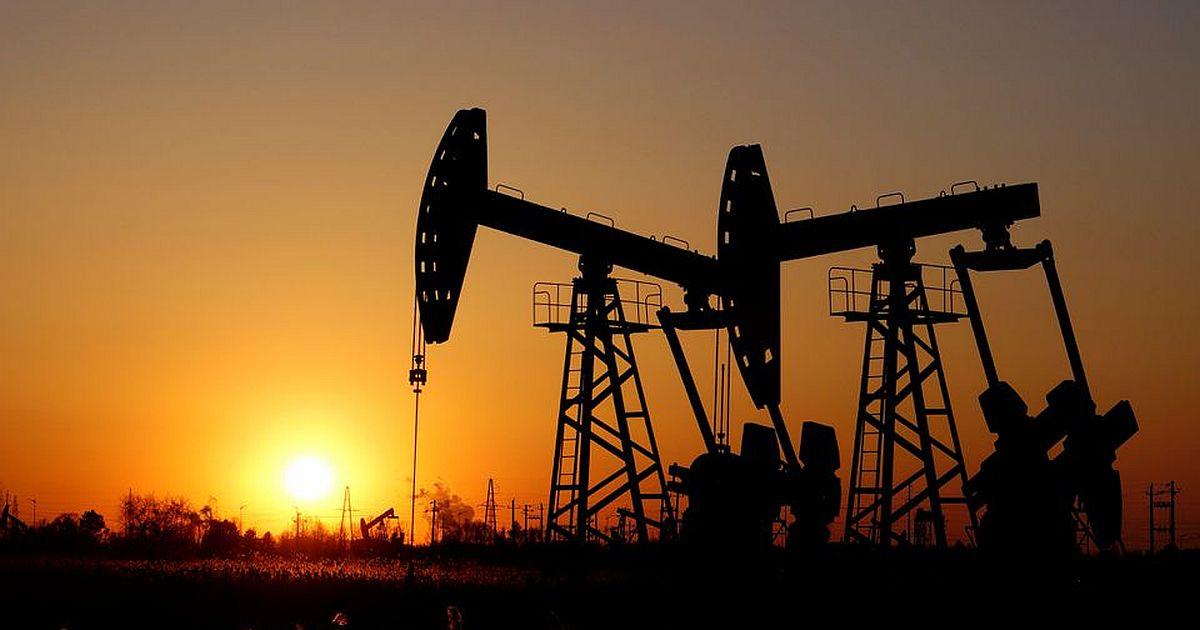
Crude oil prices plummeted after Donald Trump’s decision to temporarily halt military strikes on Iran’s energy infrastructure, signaling a de-escalation of geopolitical tensions and impacting global oil markets.
Photograph: Christian Hartmann/Reuters
Key Points
- Crude oil prices fell sharply after Donald Trump announced a temporary halt to military strikes on Iran’s energy infrastructure.
- The price drop reflects easing geopolitical tensions and reduced fears of supply disruptions in the oil market.
- Trump’s decision followed warnings to Iran regarding the Strait of Hormuz and threats of retaliation against US interests.
- Analysts attribute the price correction to profit-booking after recent gains in crude oil markets.
- West Texas Intermediate (WTI) and Brent crude futures also experienced significant declines in overseas markets.
Crude oil prices pared early gains to hit the lower circuit on Monday, declining 9 per cent to Rs 8,431 per barrel in futures trade, after US President Donald Trump announced a temporary halt to military strikes on Iran’s energy infrastructure.
On the Multi Commodity Exchange, crude oil for the April delivery initially opened higher and gained Rs 362, or 4 per cent, to hit an intraday high of Rs 9,620 per barrel.
However, prices later reversed sharply, plunging Rs 827, or 9 per cent, to Rs 8,431 per barrel — its lower circuit limit.
Impact of Geopolitical Tensions
Analysts said the sharp reversal came after easing geopolitical tensions following the US decision to pause potential strikes on Iranian energy facilities.
Crude prices also tumbled in the overseas markets. West Texas Intermediate (WTI) futures for the May contract declined USD 7.24, or 7.37 per cent, to USD 90.99 per barrel, while Brent for the same month delivery dropped USD 6.70, or 6.30 per cent, to USD 99.71 per barrel in New York.
In a post on Truth Social, Trump said he has “instructed the Department of War to postpone all military strikes against Iranian power plants and energy infrastructure for a five-day period”.
This is subject to the “success” of the ongoing “meetings and discussions,” he said.
He added that “over the last two days, Washington and Tehran have had very good and productive conversations regarding a complete and total resolution of our hostilities in the Middle East”.
Background to the Conflict
On Saturday, Trump had warned Iran to reopen the Strait of Hormuz within 48 hours, a key global oil transit hub, or face military action on its key energy facilities, including power plants.
Tehran said it would “irreversibly destroy” essential infrastructure across West Asia, including vital water systems, if the US followed through on Trump’s threat.
Iran also said it would hit power plants in all areas that supply electricity to American bases, “as well as the economic, industrial and energy infrastructures in which Americans have shares”.
According to analysts, the temporary de-escalation has eased supply disruption fears, triggering profit-booking and a sharp correction in oil prices after recent gains.

