

Foo said the current price environment reflects deeper structural issues in the global LNG market, worsened by ongoing disruptions in West Asia. “The Middle East remains the single most important pillar for Asia. Qatar and the UAE together account for roughly 19 to 20% of global LNG trade and more than 80% of that volume flows to Asia, almost entirely via the Strait of Hormuz. That creates a really structural chokepoint,” he said.
Watch the entire conversation here

Supply constraints are expected to linger for years. Foo noted that two major LNG trains are currently offline, removing around 12–13 million tonnes per annum, about 3% of global supply, for an extended period. “Some assets may return within months, but critical LNG infrastructure would take that long, three to five or even more years to recover,” he said, indicating that market tightness could persist well beyond the immediate conflict.
Also Read: Oil disruption may ease slowly, but LNG supply hit could last years: Rystad Energy
While the United States remains a key flexible supplier, its ability to bridge the gap is limited. “What the US provides is optionality. So, cargoes can swing between Europe and Asia depending on price signals,” Foo explained. However, with US export facilities already operating near full capacity, any disruption in Middle Eastern supply forces Asian buyers to source LNG from the Atlantic basin, increasing freight costs and pushing up delivered prices.
High prices are already reshaping demand patterns. “Higher LNG prices are already forcing certain buyers, particularly those in India, Pakistan, Bangladesh, to reduce spot purchases,” Foo said. As a result, industries and power producers are increasingly switching to alternatives such as coal, fuel oil, and naphtha.
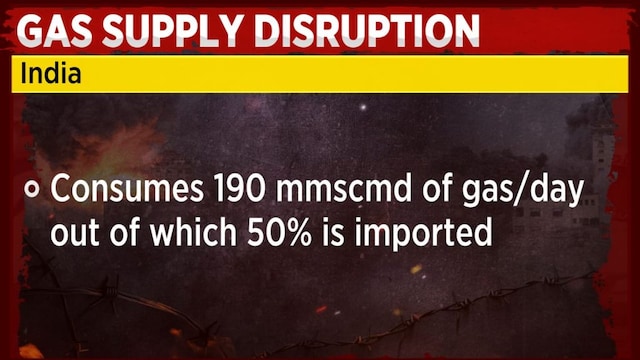
Foo highlighted India as one of the most exposed markets in this environment. “India stands out as one of the most exposed countries… you have very limited gas storage buffers,” he said, noting that unlike crude oil, LNG systems lack sufficient storage flexibility, making the economy more vulnerable to price shocks and supply disruptions.
Catch all the latest updates from the stock market here