

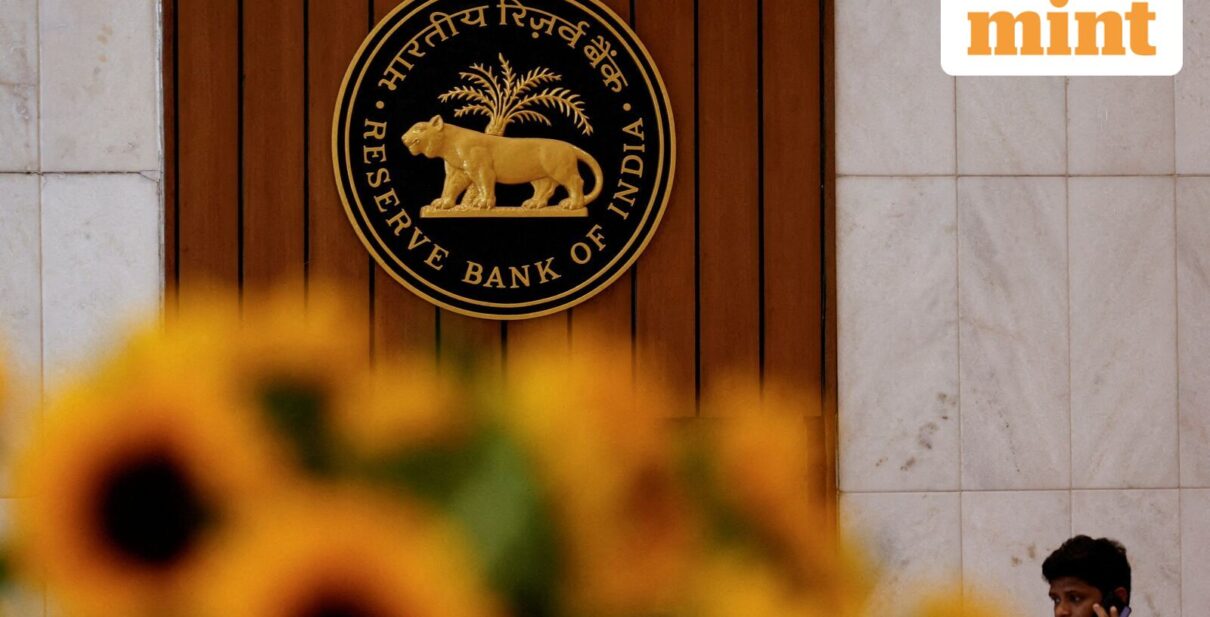
RBI Monetary policy: As the Reserve Bank of India’s Monetary Policy Committee (MPC) heads into its April policy meeting, a question that seemed unthinkable just weeks ago is now entering market conversations: could the central bank deliver a surprise rate hike?
The policy decision is scheduled for Wednesday, April 8, 2026, with the outcome expected in the morning after the MPC’s three-day deliberations, which start today, April 6. Under normal conditions, the Street would have largely priced in a pause. But the sharp weakness in the rupee, sustained surge in crude oil prices, geopolitical tensions in West Asia and continued foreign capital outflows have complicated the picture just ahead of the policy review.
The RBI had kept the repo rate unchanged at 5.25% in its previous policy in February 2026, while continuing to emphasise inflation vigilance and financial stability. The central bank had also remained focused on ensuring that inflation moves durably towards its target while balancing growth concerns. However, the external backdrop has turned considerably more hostile since then, especially with the Iran conflict keeping energy markets volatile and the rupee under renewed pressure.
A rate hike next week is still not the base case for most economists and market participants. But the fact that it is even being discussed reflects how quickly macro conditions have shifted.
Will RBI hike rates?
The case for a surprise move stems largely from pressure on the currency and imported inflation risks. A weaker rupee raises the cost of imports, especially crude oil, and can complicate the inflation outlook if sustained. With oil prices staying elevated and investor sentiment fragile, some market participants believe the RBI may need to signal a stronger intent on inflation and currency stability.
Vishal Goenka, Co-Founder, IndiaBonds.com, said, “The INR (India Rupee) has weakened sharply over the last few weeks. This is due to the prolonged geopolitical war situation and its sustained higher impact on oil prices. Let’s not forget that Foreign Portfolio Investors (FPIs) have net sold INR 1.17 lakh crores across equity and debt last quarter.”
Goenka argued that if the current situation persists, the RBI may eventually have to consider a combination of rate action and tighter liquidity measures. He noted that such a move could trigger further pressure on risk assets and push up short-term yields, though it may also serve as a pre-emptive response to rising inflation risks.
Still, not everyone sees an immediate rate hike as likely. Many believe the central bank may prefer to hold rates steady while using communication and liquidity tools to manage volatility, especially if inflation remains contained for now.
Shishir Baijal, International Partner, Chairman and Managing Director, Knight Frank India, said, “The real estate sector expects the RBI to maintain status quo on interest rates while retaining an accommodative stance to support demand. While lower rates would have been beneficial, especially in lower and mid-income housing, stable interest rates are more important for buyer sentiment.”
Mohit Gupta, Director at EquiRize Securities, also expects the RBI to stay cautious rather than aggressive. He said the MPC is likely to retain a pause while keeping a hawkish bias, with liquidity conditions and transmission of earlier policy tightening likely to remain key areas of focus. He added that in such an environment, fixed-income products may continue to attract investor interest amid equity market volatility.
The most likely outcome on April 8 remains a pause. But with crude, currency and geopolitics all turning more volatile, this may be one of the most closely watched RBI policy meetings in recent quarters.
Disclaimer: The views and recommendations made above are those of individual analysts or broking companies, and not of Mint. We advise investors to check with certified experts before making any investment decisions.