
India’s core sector growth experienced a slowdown in February, dropping to a three-month low of 2.3% due to contractions in crude oil, natural gas, and refinery products, raising concerns about overall economic momentum.
Photograph: Richard Carson/Reuters
Key Points
- India’s core infrastructure sector growth slowed to 2.3% in February, a three-month low, due to contractions in key areas.
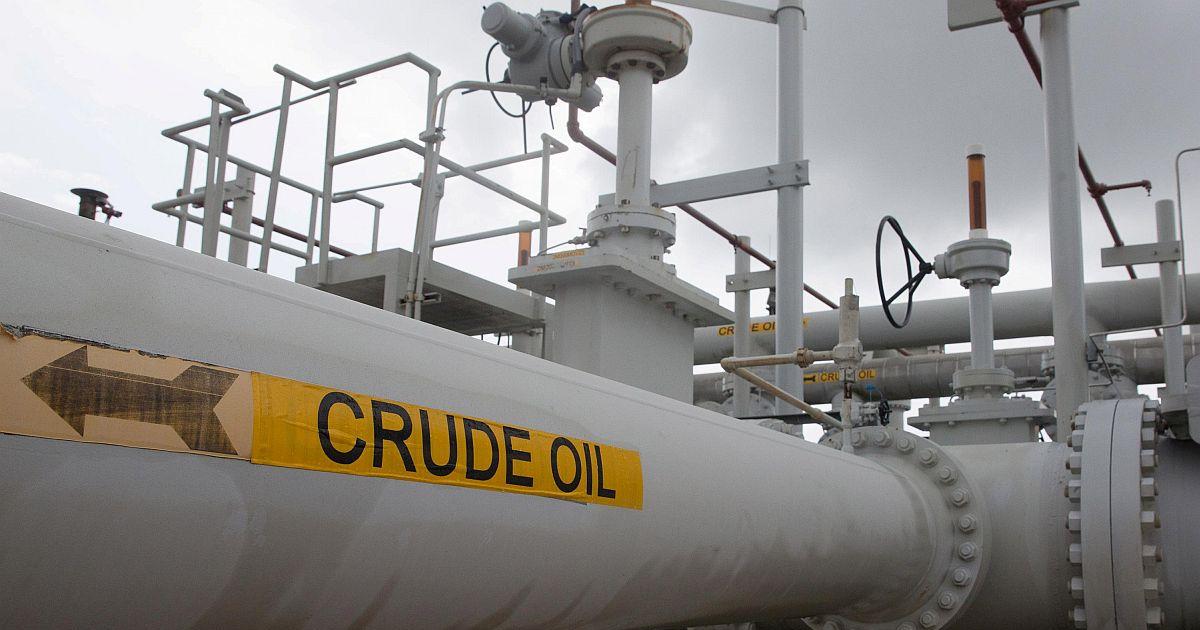
- Crude oil, natural gas, and refinery products experienced output declines, contributing to the overall slowdown in core sector growth.
- Fertiliser, cement, and electricity production growth also declined in February, impacting the infrastructure sector’s performance.
- Economists predict a moderation in IIP growth following the core sector slowdown, with potential downside risks to India’s GDP growth due to ongoing global crises and fuel price volatility.
- Despite the slowdown, coal and steel production recorded healthy growth, partially offsetting the negative impact on the core sector.
Production growth in eight core infrastructure sectors slowed to a three-month low of 2.3 per cent in February due to a contraction in the output of crude oil, natural gas, and refinery products.
According to the government data, these eight sectors expanded by 3.4 per cent in the same month last year.
The growth rate in production of fertiliser, cement and electricity declined to 3.4 per cent, 9.3 per cent and 0.5 per cent, respectively, in February this year.
However, coal and steel production recorded healthy growth.
During April-February, the cumulative production growth in the infrastructure sector was 2.9 per cent compared to 4.4 per cent in the same period of the last financial year.
Economist’s Perspective on Core Sector Performance
Commenting on the data, Aditi Nayar, Chief Economist at Icra Ltd, said that even before the start of the West Asia crisis, the growth of the core sector output in India had slowed to a three-month low.
Accordingly, IIP growth appears set to moderate to around 4 per cent in February 2026 from 4.8 per cent in January 2026, she said.
“The longer that the crisis persists, resulting in higher fuel prices and tighter availability, the larger the downside will be for India’s GDP growth in FY2027, notwithstanding the buffers provided by resilient domestic demand,” she added.