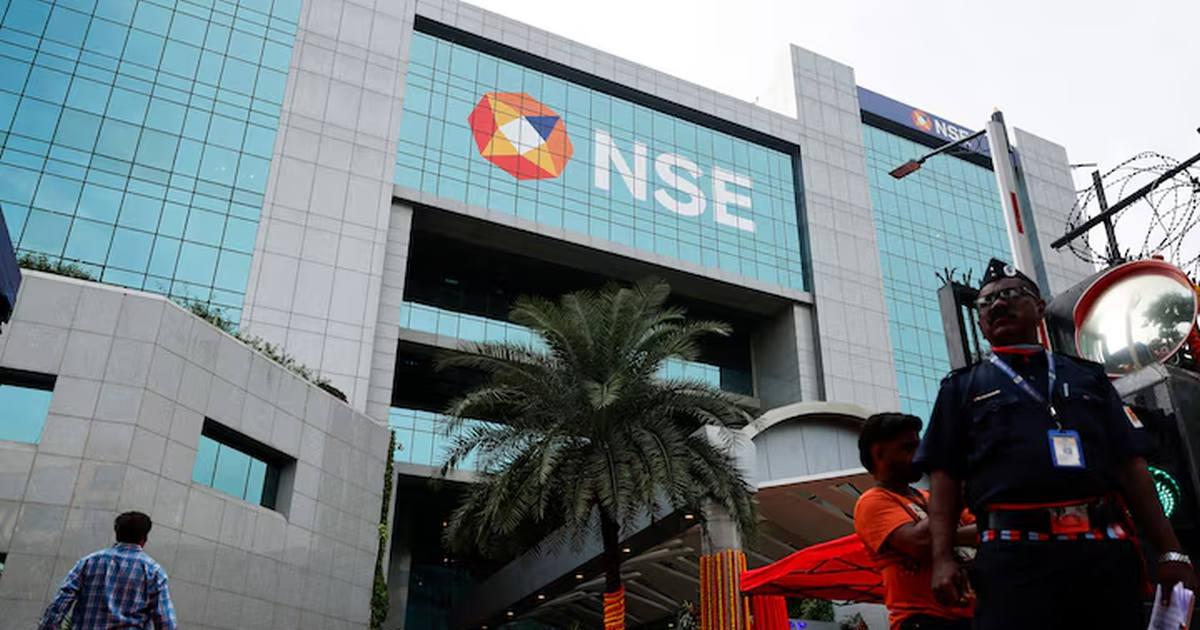


The Financial Times, citing multiple bankers and shareholders, reports that the real tensions ran far deeper than compliance concerns.
Key Points
- HDFC Bank’s non-executive chairman Atanu Chakraborty and CEO Sashidhar Jagdishan were involved in a power struggle according to the Financial Times newspaper.
- In his letter of resignation, Atanu Chakraborty wrote: ‘Certain happenings and practices within the bank that I have observed over the last two years are not in congruence with my personal values and ethics.’
- The flashpoint, the Financial Times found, was the impending renewal of Jagdishan’s term as CEO — a reappointment requiring regulatory approval.
A bitter power struggle between HDFC Bank’s non-executive chairman Atanu Chakraborty and CEO Sashidhar Jagdishan lies at the heart of one of India’s most dramatic boardroom exits in years — exposing fault lines over strategy, leadership style, and who truly runs India’s largest private sector bank.

Photograph: Reuters
The fallout has quickly evolved into a governance crisis, with Chakraborty’s abrupt exit spotlighting deeper tensions over board oversight, executive authority, and the bank’s strategic direction — unsettling investors at a time when stability at the top was seen as critical.
Boardroom Power Struggle Intensifies
Atanu Chakraborty’s resignation as HDFC Bank’s non-executive chairman was no quiet retirement.
It was, according to a report in the Financial Times, the culmination of a long-running power struggle with Chief Executive Officer Sashidhar Jagdishan — a battle over strategy, personality, and who ultimately sets the tone at India’s largest private sector bank by market capitalisation.
According to a stock exchange disclosure filed on March 18, HDFC Bank announced Chakraborty’s resignation — a development no one in India’s banking sector had anticipated.
His resignation letter was dated March 17, 2026, and received by the bank on March 18.
He had joined the board in May 2021 and his term had been extended until May 2027 prior to his resignation.
In his letter, Chakraborty wrote: ‘Certain happenings and practices within the bank that I have observed over the last two years are not in congruence with my personal values and ethics,’ according to the Financial Times.
That single, devastating sentence sent shockwaves through India’s financial markets.
CEO Reappointment Sparks Conflict

IMAGE: Atanu Chakraborty, former non-executive chairman, HDFC Bank. Photograph: ANI Photo
However, the Financial Times, citing multiple bankers and shareholders, reported that the real tensions ran far deeper than compliance concerns.
The flashpoint, the Financial Times found, was the impending renewal of Jagdishan’s term as CEO — a reappointment requiring regulatory approval.
Chakraborty was firmly opposed to an extension; most of the board backed the CEO.
A senior Mumbai banking figure confirmed to the Financial Times that ‘the chair was opposed to the renewal’, while another described the reappointment dispute as the crux of the matter.
The friction reportedly dated back to earlier strategic decisions, including plans related to subsidiary HDB Financial Services.
Jagdishan had supported selling a minority stake in the business to Mitsubishi UFJ Financial Group in 2024, while Chakraborty opposed the move.
The proposal never went through, and the company was eventually listed instead.
Two Men, Worlds Apart

IMAGE: Sashidhar Jagdishan, managing director and CEO, HDFC Bank. Photograph: Kind courtesy TERumel/wikipedia.org/Creative Commons; Background image Shailesh Andrade/Reuters
The two men differed sharply in their working styles.
Chakraborty, a former senior finance ministry official, was seen as assertive and hands-on in his role as chairman, while Jagdishan, who rose through the ranks within HDFC, is viewed as more low-profile in his approach.
Not everyone at the bank saw Jagdishan as a natural successor to the legendary Aditya Puri, who had led the bank for 26 years.
Multiple people told the Financial Times that Chakraborty had involved himself in decisions well beyond a non-executive chair’s typical mandate — from staff promotions to direct interactions with junior employees.
Hemindra Hazari, an independent Mumbai-based banking analyst, told the Financial Times that HDFC had historically been led by low-key, non-intrusive chairs, and noted of Chakraborty’s more combative stance: ‘If that job entails that I go up against the executive, so be it.’
‘It’s all without basis. Nothing factual about it’
class=”rbig”On March 24, 2026, HDFC Bank announced it had appointed three external law firms — two domestic firms, Trilegal and Wadia Ghandy & Co, and one US-based firm — to conduct an independent review of the concerns raised in Chakraborty’s resignation letter.
The RBI moved swiftly as well, approving veteran board member Keki Mistry as interim non-executive chairman.
Mistry, who had served as vice-chairman and CEO of HDFC Ltd before its merger with the bank in 2023, sought to reassure investors, telling them at a board briefing that while minor differences arose from time to time, there was nothing material behind the departure.
Chakraborty, for his part, sought to play down the episode in a brief television interview, describing his exit as routine.
Asked specifically to respond to the substance of the Financial Times‘s reporting, he was terse: ‘It’s all without basis. Nothing factual about it.’
The bank, however, has offered no substantive explanation.